
Pyrolytic vs Catalytic Ovens: What Is the Difference?

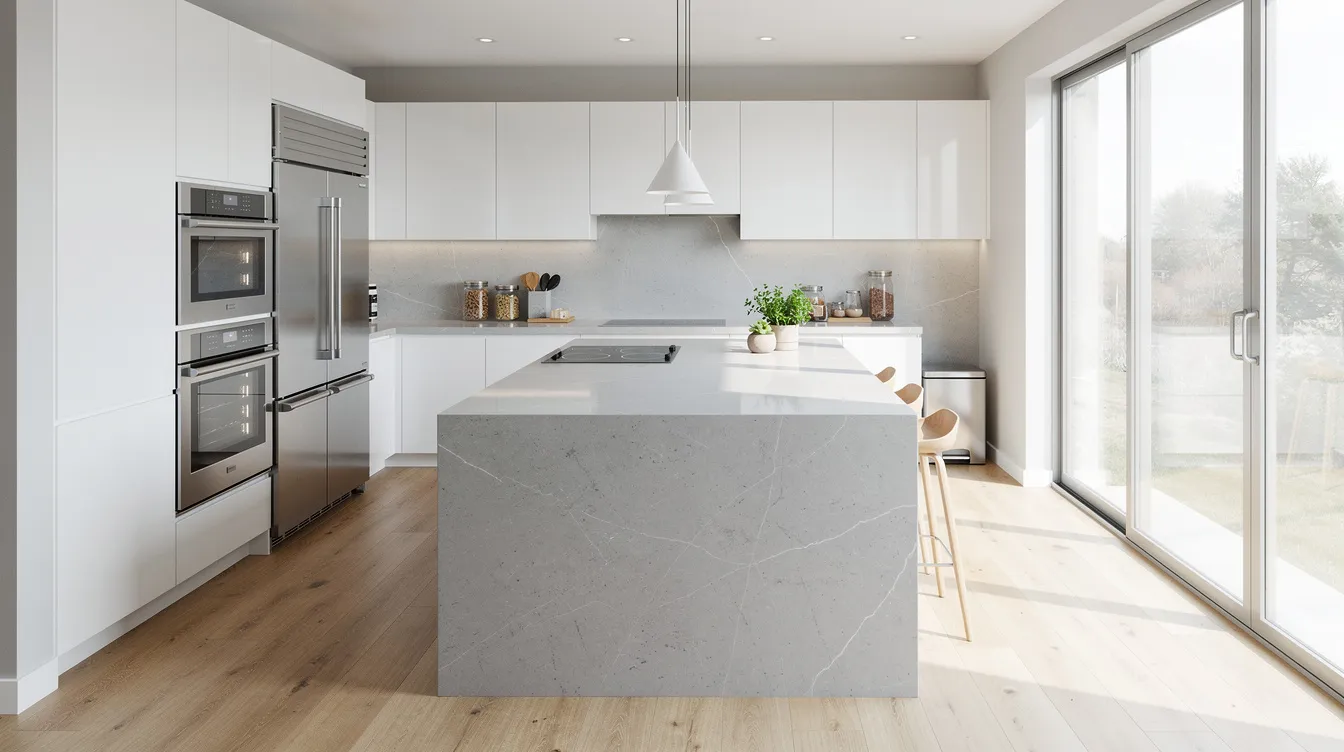
Choosing a new oven is a bigger decision than most people expect. Beyond size, brand, and cooking functions, one of the most common questions we hear in our Luton showroom is: should I go for a pyrolytic or a catalytic oven? Both offer a self cleaning function, but they work in completely different ways - and the right choice depends on how you cook, how much mess you make, and how much elbow grease you're willing to put in. This guide breaks down everything you need to know.
Key Takeaways
-
Pyrolytic ovens use extreme heat (around 450–500°C) to turn grease and grime into fine ash you simply wipe away. Catalytic ovens use special liners with a porous catalytic coating that absorbs and breaks down fat splatters during normal cooking at about 200–250°C.
-
Pyrolytic cleaning provides the deepest, most thorough self cleaning with the highest energy consumption per cycle. Catalytic ovens offer everyday light cleaning but still need regular manual cleaning of the oven door and floor.
-
Households that roast and bake frequently - or simply hate scrubbing - are usually better served by a pyrolytic oven. Lighter cooks or smaller households often find a catalytic oven perfectly adequate and cheaper to buy.
-
Joe Graham & Son Ltd helps customers across Luton, Dunstable, St Albans, Milton Keynes and surrounding areas choose, install, and maintain both catalytic and pyrolytic ovens.
Pyrolytic vs Catalytic Oven: Quick Answer
If you're short on time, here's the core difference: a pyrolytic oven runs a dedicated cleaning cycle at around 450–500°C that carbonises every trace of baked-on food into ash, while a catalytic oven relies on grease-absorbing liners that quietly break down fat during your normal cooking sessions at temperatures above 200°C.
In practical terms, pyrolytic cleaning is the more thorough option. It eliminates the need for manual scrubbing and chemical cleaners, tackling stubborn residues that a catalytic lining simply cannot handle. A catalytic oven is the cheapest option upfront and uses less energy for cleaning, but you will still need to clean manually around the oven door, floor, and any surfaces without liners.
It is worth knowing that steam cleaning (also called hydrolytic cleaning) is a third type of self cleaning technology - operating at around 90°C to 100°C - that some manufacturers combine with catalytic or pyrolytic systems. This article, however, focuses squarely on the pyrolytic catalytic comparison most buyers are weighing up.
What Is a Pyrolytic Oven and How Does Pyrolytic Cleaning Work?
A pyrolytic self cleaning oven is designed to handle heavy oven cleaning without any chemical cleaning products. Most major kitchen appliance brands - including Bosch, Neff, Siemens, AEG, and Hotpoint - now offer pyrolytic models in the UK.
Here is how a pyrolytic oven work cycle runs:
-
You select the pyrolytic cleaning function on the control panel.
-
The oven door locks automatically via an automatic door lock - on most models, the oven door locks as soon as the cleaning process begins, preventing anyone from opening it during the cycle.
-
The oven heats the cavity to approximately 450–500°C. Pyrolytic ovens reach temperatures up to 500°C, far beyond any normal cooking temperature.
-
At this high heat, baked-on grease, fat splatters, and food spills are carbonised into a fine grey ash residue that settles on the oven floor.
-
Once the oven cavity cools completely, you wipe or vacuum the ash away with a damp cloth.
Pyrolytic cleaning cycles can take 1 to 4 hours to complete, depending on the soil level. Many 2024–2026 models offer light cleaning (about 1–1.5 hours), standard, and intensive cleaning settings. The oven is unavailable for cooking during these few hours.
Before starting a pyrolytic oven cleaning cycle, you should remove shelves, shelf supports, trays, and any aluminium foil unless the manufacturer confirms they are pyro-safe. Pyrolytic ovens have multiple layers of insulation and a cool touch door with multi-layer glazing to keep external surfaces within safety limits during pyrolytic cleaning.
What Is a Catalytic Oven and How Do Catalytic Liners Work?
A catalytic oven uses catalytic liners rather than an extreme-heat cleaning cycle to provide a self cleaning effect. These liners are rough, slightly sandpaper-like panels finished with a porous enamel catalytic coating containing special minerals that act as oxidation catalysts.
Catalytic ovens use porous liners to absorb and break down grease during normal cooking. When the oven heats to temperatures above 200°C - which happens during most roasting and baking - the catalytic liners absorb fat and grease, then oxidise the residue so it gradually disappears over several cooking sessions. Catalytic cleaning is therefore continuous: it works a little each time you cook, rather than in one dedicated cleaning cycle.
However, catalytic liners usually cover only the sides and sometimes the back wall of the oven cavity. Catalytic ovens require manual cleaning for areas without liners - meaning the oven floor, oven door glass, and any unlined ceiling still need regular wiping. Heavy or sugary food spills (bubbling crumbles, cheese, caramelised sauces) can overwhelm the liners and will need scraping by hand.
Catalytic liners may need to be replaced every 3 to 6 years due to wear, as the pores gradually clog. Replacement liners are available, and retailers such as Joe Graham & Son Ltd can arrange this as part of ongoing appliance support.
Self-Cleaning Technologies Compared: Pyrolytic vs Catalytic (and Steam)
Modern self cleaning ovens typically use pyrolytic cleaning, catalytic liners, steam cleaning, or a combination. Here is how catalytic vs pyrolytic (and steam) stack up across the factors that matter most:
-
Temperature: Pyrolytic ovens clean at temperatures up to 500°C. Catalytic ovens operate at temperatures above 200°C during normal cooking. Steam cleaning ovens work at roughly 90–100°C.
-
Depth of clean: Pyrolytic cleaning provides a more thorough clean than catalytic cleaning. Cleaning efficiency of pyrolytic ovens is rated higher than that of catalytic ovens. Pyrolytic ovens can burn off sugar residues completely, while catalytic liners struggle with anything beyond grease.
-
Coverage: Pyrolytic cleaning reaches the entire oven interior - walls, ceiling, floor, and often inner glass. Catalytic cleaning only covers surfaces fitted with special liners. A steam cleaning program softens dirt across all surfaces but does not remove baked-on deposits.
-
Energy use: Pyrolytic cycles draw significantly more power (discussed below). Catalytic ovens are more energy efficient during cleaning because no extra cycle runs. Steam uses the least energy of all.
-
Time: Pyrolytic cleaning cycles take 1 to 4 hours. Catalytic cleaning happens during cooking with no extra time needed. A steam clean typically takes 20–30 minutes.
-
Odour and noise: Pyrolytic ovens can emit strong odours during cleaning. Good ventilation is essential. Catalytic and steam produce minimal odour.
Some mid-range models now combine catalytic liners with a steam clean function to bridge the gap between continuous light cleaning and periodic manual wiping. Pyrolytic cleaning is generally considered the gold standard for a deep clean, catalytic is a solid middle ground, and steam cleaning is ideal for frequent, light freshening.
Even the best pyrolytic oven still needs the oven door, glass, and rubber seals checked and cleaned regularly. No self cleaning function means zero effort.
Advantages and Disadvantages of Pyrolytic Ovens
Here is a balanced look at the pros and cons of choosing a pyrolytic oven.
Advantages:
-
Extremely thorough deep clean - reaches hard to reach places that manual scrubbing misses.
-
Removes stubborn residues, including burnt sugar and thick carbonised food deposits.
-
Eliminates the need for harsh chemical cleaning products, rubber gloves, and heavy scrubbing.
-
Ideal for frequent roasting and baking where fat splatters and food spills are a regular occurrence.
-
Run pyrolytic cleaning a few times a year instead of spending hours on oven cleaning - a genuine way to save time.
Disadvantages:
-
Higher purchase price compared to equivalent catalytic ovens. Pyrolytic ovens generally cost more to purchase due to robust insulation and components, including extra insulation and a reinforced door.
-
Uses more electricity per cleaning cycle due to high temperatures - pyrolytic ovens use up to 8 kWh per cleaning cycle on intensive settings.
-
The oven is out of action for 1–3 hours (or longer) during the pyrolytic cleaning function.
-
The exterior of pyrolytic ovens can become very hot during use, so keep children and pets away.
-
Repeated extreme-heat cycles place additional stress on door seals, hinges, and electronics. Occasional servicing is sensible.
UK practicalities: Ventilation is recommended during pyrolytic cleaning due to fumes - open a window and run the extractor. Remove birds and other pets with sensitive lungs. Never place items on the oven door while a cycle runs, and consider running cycles during off peak hours to reduce electricity costs.
Advantages and Disadvantages of Catalytic Ovens
Catalytic ovens offer a different balance of cost, convenience, and performance.
Advantages:
-
Catalytic ovens are typically cheaper to buy but require more frequent manual cleaning - still, the lower upfront cost appeals to many households.
-
No special high-heat cleaning cycle is needed; the catalytic effect works during everyday cooking, so there is no dedicated energy-hungry run.
-
Catalytic ovens are more energy efficient than pyrolytic ovens during cleaning, making them an eco friendly choice for lighter cooks.
-
After cooking, a quick wipe is often all that's needed since most light grease has already been broken down by the catalytic lining.
Disadvantages:
-
Catalytic ovens require more manual cleaning than pyrolytic ovens. Only areas physically covered by catalytic liners benefit; the oven door glass, floor, and unlined ceiling still accumulate grease and grime.
-
Catalytic cleaning mainly tackles fat and grease. Burnt sugar, thick carbonised deposits, and sticky sauces are less affected - they cause irreparable damage to liner pores if left unattended.
-
Liners gradually lose effectiveness and may need replacement after several years of heavy use.
-
Many "catalytic ovens" sold in the UK are standard multifunction ovens with removable catalytic liners on the sides only, so check liner coverage carefully in the product description or in a showroom.
Running Costs, Energy Use and Environmental Considerations
Beyond cleaning performance, customers in 2026 are rightly concerned about electricity costs and environmental impact.
Pyrolytic oven cleaning cycles are energy-intensive. Running at around 450–500°C for up to several hours, a single cycle can use roughly 5–7 kWh of electricity. According to Which? testing data, the average pyrolytic clean costs approximately £1.32 at current UK tariffs (around 26p/kWh), adding up to roughly £15.82 per year if you clean monthly.
Catalytic ovens, by contrast, rely on normal cooking temperatures around 200–250°C to activate the catalytic effect. There is no additional large power draw specifically for cleaning. The marginal energy cost is negligible - roughly £0.30 per equivalent "clean" or about £3.65 annually. Catalytic ovens clean continuously during cooking at high temperatures, so the cleaning process is built into your everyday energy use.
Many modern pyrolytic ovens are rated A or better for energy efficiency on normal cooking functions, and some manufacturers now optimise pyrolytic programs by adjusting time and temperature to soil level, reducing unnecessary energy consumption.
Both technologies share green benefits: less need for aggressive chemical oven cleaning sprays, fewer single-use cleaning wipes, and reduced hot water usage compared to traditional deep clean methods. Practical advice: run pyrolytic cleaning only when genuinely needed, scrape out large burnt bits first, and use eco or steam-assist modes between full cleans where your oven offers them.
Maintenance, Safety and Practical Tips for Each Type
Even self cleaning ovens benefit from sensible maintenance and safe operation.
Pyrolytic oven tips:
-
Always remove racks, shelf supports, and accessories unless the manual confirms they are pyro-safe.
-
Wipe up large food spills before starting a pyrolytic cleaning cycle - this reduces smoke and strong odours.
-
Ensure good ventilation during the cycle. Keep children and pets away, and never try to force open the locked oven door.
-
Allow a full cool-down before wiping the ash residue. Check door seals periodically, and arrange professional repair if you notice smoke escaping, damaged gaskets, or error codes related to the cleaning function.
Catalytic oven tips:
-
Avoid scouring or using strong oven cleaning sprays on catalytic liners - harsh chemicals can clog the pores and stop the catalytic action, causing irreparable damage.
-
Run the oven empty at around 220–240°C for 30–60 minutes occasionally to "refresh" the liners and burn off accumulated dirt.
-
Replace worn or damaged liners when they no longer self clean effectively. A local specialist like Joe Graham & Son Ltd can supply spares and repairs including catalytic liners, door seals, and hinges.
With both types, the oven door glass, front fascia, and control knobs still need regular cleaning with non-abrasive products and a damp cloth. Never cover vents or cooling slots during cooking or cleaning. If a repair is needed, it is often worth repairing rather than replacing an otherwise sound appliance.
Which Is Best for You: Pyrolytic or Catalytic?
There is no single "best" oven for everyone. The right choice depends on your cooking habits, tolerance for manual oven cleaning, and budget.
A pyrolytic oven suits you if:
-
You cook daily roasts, big batch bakes, or regularly fill multiple trays.
-
You strongly dislike scrubbing ovens or struggle physically with heavy cleaning tasks.
-
You want to eliminate the need for chemical cleaning products inside the oven.
-
You are happy to invest more upfront to save time and effort over several years.
A catalytic oven suits you if:
-
You cook moderate, relatively tidy meals and experience mostly light cleaning needs.
-
You are on a tighter budget but still want a self cleaning function to reduce grease build-up on the walls.
-
You are happy to wipe the oven door and floor regularly with a damp cloth.
-
You prefer an energy efficient option with no high-heat cleaning cycle.
Think about your mess level - light splashes versus frequent spills - and how often you currently deep clean your oven. If you visit the Joe Graham & Son Ltd showroom in Luton or call the sales team, bring examples of how you cook (Sunday roast every week, lots of frozen pizzas, big batch baking) so staff can recommend specific ovens that fit your needs.
Buying and After-Sales Support from Joe Graham & Son Ltd
Joe Graham & Son Ltd is a long-established independent retailer specialising in domestic appliances, including catalytic and pyrolytic ovens from leading brands. Customers can browse ovens online or visit our Luton showroom to compare catalytic vs pyrolytic models side by side and get honest, practical advice from experienced staff.
We offer full delivery and installation of built-in or freestanding ovens, safe removal of old appliances, and a walkthrough of features like how to use the cleaning function and lock or unlock the oven door.
We cover Luton, Dunstable, St Albans, Milton Keynes and surrounding areas, and provide repair services and spare parts - including catalytic liners, shelves, oven door glass, seals, and thermostats - to keep your oven working safely for years.
If you are unsure whether to choose a catalytic oven or a pyrolytic oven, phone or email us for tailored recommendations based on your budget, kitchen layout, and cooking style. You will get competitive pricing, genuine local after-sales care, and the advantage of dealing with a specialist who supports the full life of your appliance - not just the initial sale.
FAQs: Pyrolytic vs Catalytic Ovens
These frequently asked questions cover practical points not fully explored above.
Do self-cleaning ovens still need professional cleaning?
Most owners will not need frequent professional oven cleaning if they use pyrolytic cleaning or catalytic liners properly. However, a periodic professional clean can help restore a heavily neglected oven or prepare a property for sale or letting. Professional cleaners can safely access areas the self cleaning function does not reach well, such as behind door glass, around hinges, and behind control panels. Joe Graham & Son Ltd focuses on appliance sales, repairs, and parts rather than routine cleaning, but we can advise if you are unsure whether your oven issues are cosmetic or a sign of a fault.
Can I use normal oven cleaners on a catalytic or pyrolytic oven?
Strong caustic oven sprays should generally not be used on catalytic liners or the special enamel inside the oven cavity of a pyrolytic model. On catalytic liners, harsh cleaning products clog the pores and stop the catalytic action - potentially causing irreparable damage. For catalytic ovens, stick to a damp cloth or mild detergent on non-lined surfaces (door glass, floor, front fascia) and follow the manufacturer's instructions for the liners. For pyrolytic ovens, routine cleaning means wiping food spills when cool and running the pyrolytic cleaning function when needed, rather than applying heavy chemical products inside the oven.
Is it safe to be at home while a pyrolytic cycle runs?
It is generally safe to be at home while a modern pyrolytic oven runs its cleaning cycle. The oven door locks automatically and insulation keeps the exterior within regulated temperature limits. We recommend staying in or near the house while the cycle runs, ensuring good ventilation (open a window or run an extractor), and keeping children and pets away from the hot oven door and surrounding cabinetry. If excessive smoke, unusual smells, or error codes appear during pyrolytic cleaning, cancel the cycle once safe, allow the oven to cool, and contact a qualified engineer.
How often should I run the self-cleaning function on a pyrolytic oven?
Frequency depends on cooking habits. A busy family roasting several times a week might use pyrolytic cleaning every one to two months, whereas light users may only need to run a cycle a few times a year. Visually inspect your oven cavity - when brown or black baked-on patches resist normal wiping, or smoke and odour increase during cooking, it is time for a pyrolytic clean. Running the cleaning function slightly more often, before the oven becomes extremely dirty, usually shortens the required cycle time and avoids very heavy smoke.
Can I upgrade a standard oven to catalytic or pyrolytic later?
A standard oven cannot realistically be converted into a true pyrolytic oven. Pyrolytic models are built from the factory with different insulation, door construction, safety locks, and electronics that a retrofit cannot replicate. Some basic ovens can accept aftermarket catalytic liners or replacement side panels, but this will not match the performance of a purpose-designed catalytic oven and may not be approved by the manufacturer. If you are considering an upgrade, speak with a specialist retailer about replacing the oven entirely with a catalytic or pyrolytic model that fits your existing housing and electrical supply.
About the Author

Ceramic vs Induction Hob: What's Best Compared to Gas
December 7, 2022

Signs Your Fridge Freezer Isn't Running As It Should
March 15, 2019
History of the Dyson Company
May 30, 2015
Ceramic Hob vs Induction Hob: What Is the Difference?
October 2, 2026

Top Freestanding Washing Machines in Luton for Every Budget
October 2, 2026
Gas vs Electric Cookers: Which Is Best for Your Kitchen Upgrade?
October 2, 2026
What to Expect When Having a New Washing Machine Installed
August 19, 2026
Is an American-Style Fridge Freezer Right for Your Kitchen?
August 19, 2026
