
Are Smart Washing Machines Worth the Investment?

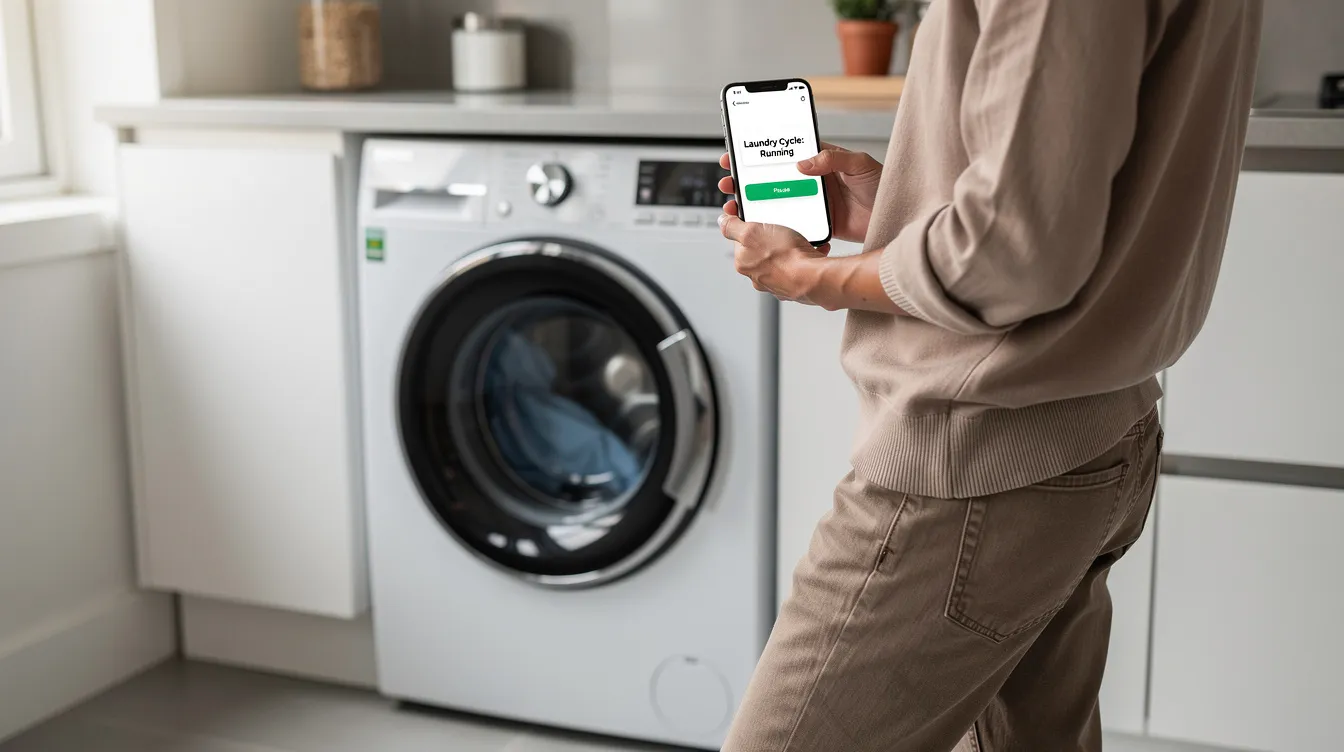
Smart technology has found its way into almost every corner of the home, and the laundry room is no exception. But with smart washing machines typically costing £600 to £1,500, many households rightly ask whether the extra spend delivers genuine value or just a fancier phone app. In this guide, we break down exactly what you get for the money, which features actually matter, and who stands to benefit most.
Key Takeaways
-
Smart washing machines are worth the investment for busy, tech-comfortable or eco-conscious households, but not every buyer needs to pay extra for wi fi and app control. If you run simple cycles and rarely pick up your phone to check the laundry, a good conventional machine will serve you just as well.
-
Cleaning performance still depends on drum design, motor and wash action - not whether the washer has smart connectivity. Many smart washers clean no better than quality traditional models.
-
In 2025–2026, entry-level smart models start at roughly £350–£400, while premium models with artificial intelligence features reach £600–£1,000 and beyond. Basic non-smart washing machines can cost around £300. A typical UK washing machine lasts around 10–11 years.
-
Features like remote control, auto dosing, energy monitoring and maintenance notifications genuinely save time, water, energy and repair costs over the long term.
-
If you are in Bedfordshire or the surrounding counties, Joe Graham & Son Ltd can help you decide whether a smart washing machine suits your house, your budget and your laundry habits - in our showroom, online or over the phone.
What Is a Smart Washing Machine, Exactly?
A smart washing machine is, at its core, the same appliance you already know: a drum, a motor, a door, and a set of wash programmes. The difference is that smart washing machines connect to your home wi fi network, much the same way a smartphone or tablet does, giving you app controlled laundry from anywhere with an internet connection.
From the outside, a smart washer still looks and loads like any regular front-load or top-load machine. The real change is under the surface - additional sensors, software and a wi fi module that open up a wider set of control options and extra features.
Common smart features include:
-
Remote start and the ability to stop cycles from your phone
-
Notifications when a wash cycle finishes or when the drum needs a maintenance clean
-
Downloadable specialist programmes (sportswear, baby clothes, waterproof gear)
-
Energy and water usage tracking through the smartphone app
-
Voice commands via Google Assistant or Alexa
-
Maintenance alerts sent directly to your smart device
According to Which?, one in three tested washing machines now has smart functionality, and most 2024–2026 models from Bosch, Samsung, LG, Haier, Hisense, Hoover and Miele include wi fi as standard across mid-range and premium lines.
Are Smart Washing Machines Worth It? (Short Answer)
The honest answer: it depends on how you do your laundry and how much you value convenience.
Smart features can add £200 to £300 to washing machine prices compared with an equivalent non-smart model of the same brand and drum size. Smart washing machines are popular due to convenience and energy savings, and the investment makes sense when you will actually use those capabilities day to day.
A smart washer can be worth the money when it helps you run fewer wasted cycles, manage energy bills through off-peak scheduling, catch faults early through maintenance alerts, and gain full control of the machine from another room - or another postcode. High upfront costs are a common drawback of smart washing machines, however, and if you run simple cotton washes, rarely open apps, or are prioritising the lowest purchase price, a well-rated traditional machine will do the job.
At Joe Graham & Son Ltd, we see a wide mix of customers across Bedfordshire and neighbouring counties. Busy families in Luton and Dunstable often love the added convenience of remote start and auto dosing. Landlords appreciate energy monitoring for rental properties. Older buyers may prefer simpler controls but still benefit from maintenance notifications that flag problems before they become costly. The rest of this article will help you decide based on cleaning performance, features, running costs and local support.
Key Smart Features and How They Actually Help
Not all smart features are created equal. Some genuinely make life easier; others look impressive on a spec sheet but rarely get used. Here is what matters most.
Remote control and monitoring. Smart washing machines offer remote control via smartphone apps, so you can start a wash cycle on the train home, pause the machine if you forgot a sock (on models with an add-item door), or check the remaining time from upstairs. This is where smart technology delivers everyday convenience.
Notifications and maintenance alerts. Smart machines send maintenance alerts to your smartphone - whether the cycle has finished, the filter needs clearing, or the drum needs a cleaning wash. These small nudges reduce odours, prevent mould and can flag faults before they escalate into expensive repairs.
Auto dosing. Systems like Bosch i-Dos and Samsung AutoDose weigh the load and dispense the right amount of detergent and softener automatically. Research cited in EU ecodesign reviews shows that manual overdosing can exceed the optimal amount by up to 38%, wasting money, wearing fabrics and risking over-foaming leaks. Auto dosing dispenses the right amount of detergent automatically, removing guesswork entirely.
Load sensing and fabric sensors. Load sensing adjusts water and energy use automatically based on the weight of your clothes, while fabric type sensors fine-tune spin speed and cycle length. The result is better energy efficiency and gentler garment care, whatever the load size.
Downloadable programmes and automatic program selection. Many apps let you download specialist cycles - from delicate sportswear washes to allergy-friendly rinses - that go well beyond the standard dial settings. Some models offer automatic program selection that analyses soil level and fabric type to choose the best cycle for you.
Voice control and smart home integration. If you already use Google Assistant or Alexa, voice commands like "start the washer" slot straight into your routine. Smart washing machines are increasingly integrated with home automation systems, so your laundry can be part of a wider connected house setup.
Branded examples you can try in practice include Bosch Home Connect, Samsung SmartThings, LG ThinQ and Haier hOn.
Smart vs Traditional Washing Machines: Cost and Value
Under the casing, smart and traditional washing machines share the same core hardware - drum, motor, bearings, heating element. Smart models layer connectivity and software on top, but the machine underneath is built in much the same way.
Here are typical UK price bands in 2025–2026:
|
Category |
Typical Price Range |
|---|---|
|
Basic non-smart washer |
£250–£350 |
|
Entry-level smart washer |
£350–£500 |
|
Mid-to-premium smart/AI models |
£600–£1,000+ |
|
Premium brand (e.g. Miele) |
£850–£1,500 |
Smart washing machines typically have a higher initial cost, and cleaning performance is mainly driven by drum design, motor and wash action - not whether the washer has wi fi. So when choosing the right washing machine, always compare test results and core specs before being swayed by smart labels.
That said, smart features that save energy and detergent, or avoid call-out repairs through early fault alerts, can offset the higher purchase price across a 10–11 year lifespan. Energy monitoring in the app can also help you shift washes to cheaper off-peak tariffs, trimming energy bills month by month.
Smart washing machines may face complex repairs and higher maintenance costs due to electronic components, but early alerts and remote diagnostics often reduce the severity of faults, keeping overall lifetime costs competitive.
For landlords and house sellers, a new appliance with smart functionality can also improve perceived property value, making the home feel modern and connected to prospective tenants or buyers. If you want to see the difference for yourself, Joe Graham & Son Ltd can walk you through side-by-side comparisons of smart and non-smart washing machines in our showroom.
Who Benefits Most from a Smart Washing Machine?
Smart washing machines are most worthwhile for certain lifestyles rather than for everyone across the board.
-
Busy professionals and commuting parents who use remote start and finish alerts to fit laundry around irregular hours and school runs. Starting a cycle from your phone while still at the office means clothes are ready to hang when you walk through the door.
-
Large families or shared houses in Bedfordshire towns like Luton and Dunstable, where multiple loads per day make auto dosing, energy tracking and notifications particularly valuable. The more you wash, the more those per-cycle savings add up.
-
Tech-savvy homeowners with existing smart devices and voice assistants. Adding a smart washer integrates naturally into the home tech ecosystem you have already built.
-
Eco-conscious households who want to minimise water usage and electricity consumption, and like seeing actual kWh and litres per cycle in the app. This data helps you create better laundry habits over time.
-
Older or less mobile users who may appreciate checking cycle progress from a chair in the living room, as long as they are comfortable using a smartphone.
A conventional washer might still be the better buy for very occasional users, students in short-term lets, or anyone with poor wi fi coverage in the utility room where the machine sits.
Brands, Apps and Real-World Examples (UK 2025–2026)
Nearly every major washing machine brand now offers smart washers, but the apps, support and feature depth differ in practice. Hoover and Samsung launched the first smart washing machines in the UK, and the market has expanded rapidly since.
Bosch. Bosch washing machines using the Home Connect app are among the most popular we sell. Bosch's smart washing machines typically cost between £600 and £800, with 8–10 kg capacities, wi fi as standard, remote start, stain guides and power monitoring plug-in energy tracking. Their i-Dos auto dosing and Detergent Scan features are standouts.
Samsung. Samsung washing machines with SmartThings offer AI Wash, Ecobubble and auto-dose across 9–11 kg drums popular with families. Samsung's Bespoke AI line promises up to 10% energy savings through intelligent cycle optimisation and smart tariff integration.
LG. LG's smart washing machines range from £350 to £800. Their ThinQ app with AI Direct Drive, TurboWash and steam cycles suggests programmes and supports remote diagnostics - handy when an engineer needs to diagnose a fault without a home visit.
Haier and Hoover. Haier offers smart features in over 90% of its washing machines, and the hOn app provides downloadable programmes and maintenance tips at mid-range prices. Hoover's smart washing machines are priced around £300–£400, making them a strong entry point. Most smart Hisense machines cost between £300 and £700.
Miele. At the premium end, Miele's app updated models offer outstanding build quality, long-term parts support and the Miele@home ecosystem, with prices from £850 to £1,500.
At Joe Graham & Son Ltd, we match specific app ecosystems to your existing devices - whether you are on Android, iOS, Alexa or Google Play - and help with setup when we deliver.
Running Costs, Energy Efficiency and Environmental Impact
Energy labels under the current A–G scheme remain the most reliable predictor of electricity and water bills. A smart badge alone does not guarantee lower running costs - but smart washing machines are designed to optimize efficiency compared to standard models through sensors and algorithms.
They can optimize water usage and energy costs by adjusting cycle length, drum movements and spin speed to the exact load. Modern machines now use roughly 30% less electricity than equivalent models from 2019, and around 40–60 litres of water per load versus 80+ litres in older appliances. Smart washing machines can reduce water and energy usage significantly when these sensors are working in tandem.
Energy monitoring tracks electricity and water usage in real-time, helping households across areas like St Albans or Milton Keynes see which programmes cost the most. This data encourages more 20–30 °C cycles and full loads. Rising energy costs drive consumer interest in smart washing machines, and capitalizing on off-peak electricity usage can lead to lower energy bills - particularly useful with time-of-use tariffs.
Auto dosing reduces excessive detergent, cutting microfibre shedding and chemical load in wastewater - a subtle but real environmental benefit. Better maintenance, prompted by app alerts to run a drum clean or check the water supply filter, can extend appliance life and reduce the environmental cost of manufacturing and disposal.
Joe Graham & Son Ltd offers removal and responsible disposal of old machines as part of our delivery and installation service, helping you upgrade sustainably.
Installation, Connectivity and Smart Security
A smart washing machine installs like any other - connect the water supply, waste hose and electricity. The extra step is connecting it to your home wi fi network for full smart functionality.
Before purchase, check wi fi coverage in your kitchen or utility room. If the router is in another part of the house, you may need a mesh node or extender for stable connectivity. Smart washing machines require stable internet connectivity to function properly, and a weak signal will limit what you can do remotely.
The typical setup process involves downloading the manufacturer's app from Google Play or the App Store, creating an account, connecting the washer to your wi fi network, and linking to Alexa or Google Assistant where supported. It takes around ten minutes for most brands.
Privacy risks are a concern with internet-connected appliances like smart washing machines. Use a strong wi fi password, keep your router firmware and appliance app updated, and avoid controlling the machine over open public networks. Reputable brands commit to several years of security updates - Bosch's Home Connect platform, for example, is supported until at least 2034, while Miele aims for roughly ten years after a model is discontinued.
Our installers at Joe Graham & Son Ltd can help with basic connection steps on delivery day and advise on placement to avoid wi fi drop-outs. And for less tech-confident customers: every smart washer still works perfectly as a normal washing machine from the front control panel if the app or wi fi fails.
How Joe Graham & Son Ltd Helps You Choose the Right Washer
We have decades of experience supplying and repairing washing machines across Luton, Dunstable, St Albans, Milton Keynes and surrounding areas. When you visit our showroom or call for advice, we compare smart and non-smart options based on what actually matters: drum size versus household size, spin speed, noise levels, fabric care and true cleaning performance - not just wi fi badges.
We can demonstrate app features on popular models, answer questions about specific brands, and discuss whether a particular smart device will work with your phone or router. If you want to see how the Home Connect or SmartThings apps look in practice before you buy, we are happy to show you.
Our services go beyond the sale. We offer delivery, installation, removal of your old appliance, and access to spares and repairs if something goes wrong later. Whether you buy online or in person, ringing us for advice before ordering is always encouraged - especially when deciding if a smart washing machine is worth the money for your home.
Conclusion: Are Smart Washing Machines Worth the Investment for You?
A smart washing machine can be a worthwhile investment when your household genuinely values convenience, detailed control and energy insight, and you are comfortable using apps to manage day-to-day laundry. The ability to save on detergent, energy and future repair costs is real - provided you actually engage with the smart features.
Cleaning power, drum size and reliability should always come first. Once those boxes are ticked, smart functionality becomes the tie-breaker rather than the starting point. A traditional washer will serve you well if your needs are simple, your budget is tight, or you have unreliable wi fi in the laundry area.
If you are anywhere in Bedfordshire or the neighbouring counties, we would encourage you to visit or contact Joe Graham & Son Ltd for tailored advice rather than relying solely on online spec sheets and marketing terms like "AI". Smart washing is only going to keep improving, so choosing a model with strong app support and long-term parts availability is a sensible compromise for the future.
FAQs About Smart Washing Machines
Below are answers to common questions that do not fit neatly into the main sections above, aimed at real-world UK buyers considering a new appliance.
Can I still use a smart washing machine if my Wi‑Fi goes down?
Yes. Every smart washing machine can be operated fully from the front control panel without wi fi or an app, so basic washing is never dependent on the internet. Some app history, custom cycles or energy monitoring data may not be available offline, but all core wash programmes remain completely unaffected.
Do smart washers break down more often than traditional models?
Breakdown rates are mainly linked to brand build quality and usage patterns, not the presence of wi fi. Smart electronics do add extra components that could fail, but early fault alerts and remote diagnostics can actually reduce serious failures - especially when backed by a local repairer like Joe Graham & Son Ltd.
Will an older relative manage with a smart washing machine?
Many older users simply ignore the app and use the physical dial and buttons in exactly the same way as any traditional washing machine, which is perfectly fine. If remote monitoring or notifications would help, a family member can set up the app and save favourite programmes on their behalf.
Is it safe to connect a washing machine to my home network?
Major brands design their connected home appliances with security in mind. Use a strong home wi fi password, keep the app updated and ensure your router firmware is current. The data involved is usually limited to usage patterns and diagnostics - not banking details or sensitive personal files.
How long will the smart features stay supported?
Many manufacturers now publish minimum support periods. Bosch commits to updates until at least 2034 for current Home Connect models, and Miele targets roughly ten years after a model is discontinued. LG generally offers five years from launch. Check support policies before purchase and favour well-known brands and local retailers who can advise on long-term parts and service availability.
About the Author

Ceramic vs Induction Hob: What's Best Compared to Gas
December 7, 2022

Signs Your Fridge Freezer Isn't Running As It Should
March 15, 2019

History of the Dyson Company
May 30, 2015


Ceramic Hob vs Induction Hob: What Is the Difference?
October 2, 2026

Top Freestanding Washing Machines in Luton for Every Budget
October 2, 2026

Gas vs Electric Cookers: Which Is Best for Your Kitchen Upgrade?
October 2, 2026

What to Expect When Having a New Washing Machine Installed
August 19, 2026

Is an American-Style Fridge Freezer Right for Your Kitchen?
August 19, 2026
